Astro photography
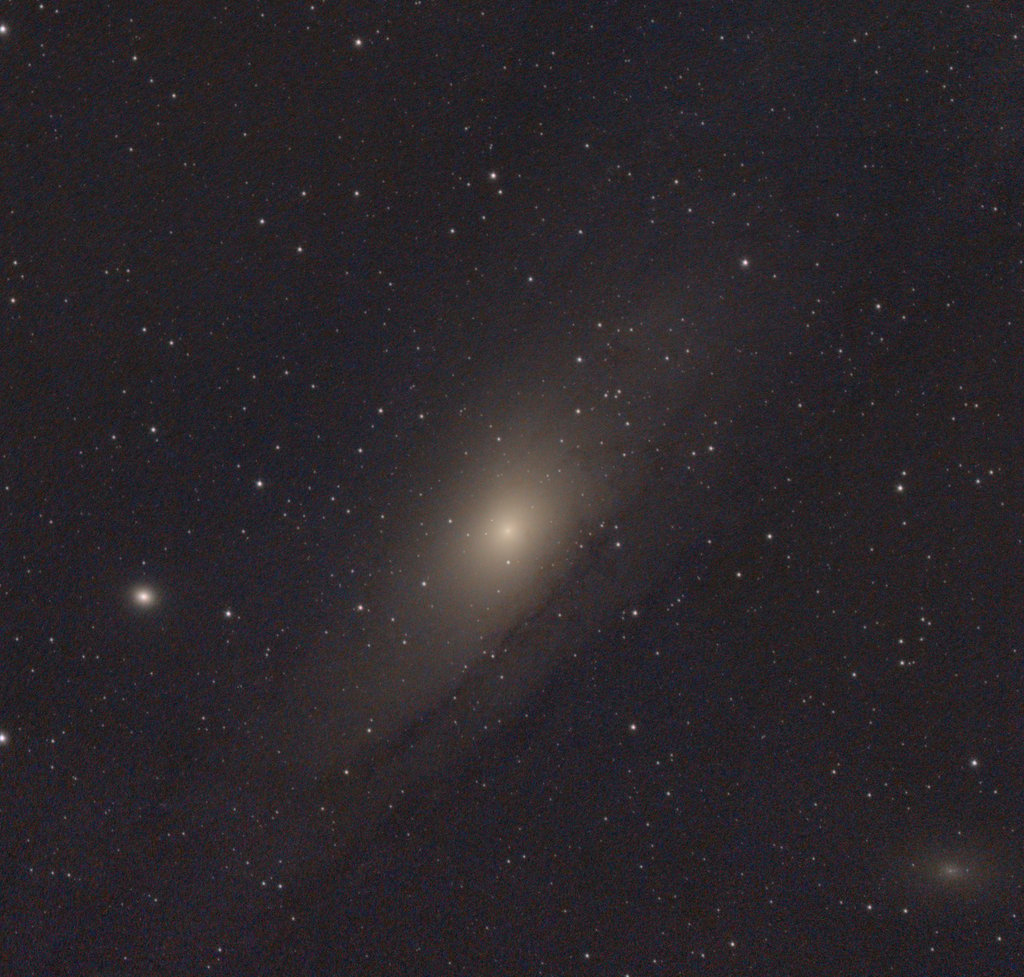
I have started taking some deep space photos using a Vespera Pro smart telescope and long exposure frames stacked over a very long observation time. Most of these are just experimental attempts to find a target that isn't obscured by buildings or trees and stays that way for about an hour. The Andromeda galaxy observation was intended to be 4 hours, but only made it through two. The raw stacks are combined into a single image by the telescope, but I have also done the stacking with Siril. Sometimes that works better, sometimes not. None of these have the benefit of dark or flat calibration frames. That is something the telescope can do, but takes additional setup time that I didn't have for these first few. No doubt, I will get better at this, weather permitting.


Andromeda M31
The nearest galaxy to the Milky Way. This image was a large mosaic and split over several nights.
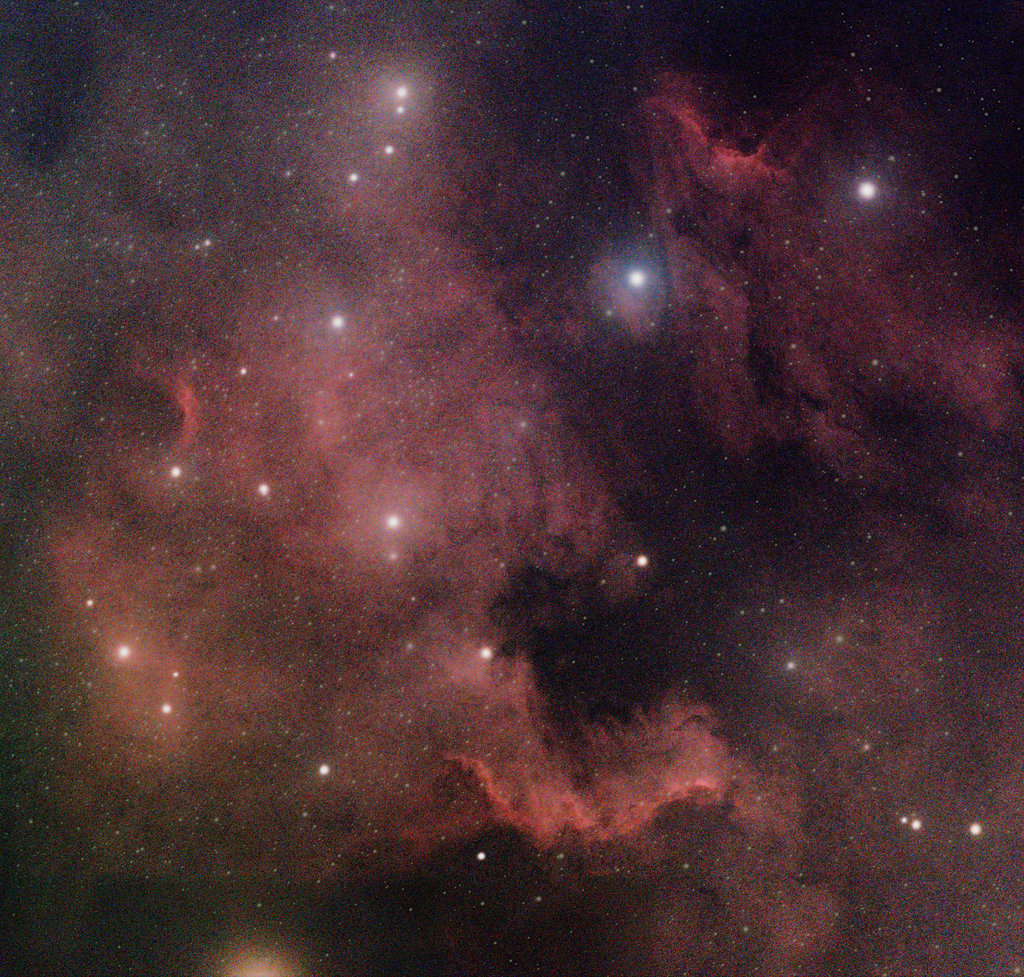

North America nebula NGC7000
A bright nebula in Cygnus. This image was a large mosaic.
Eagle nebula M16 (NGC6611)
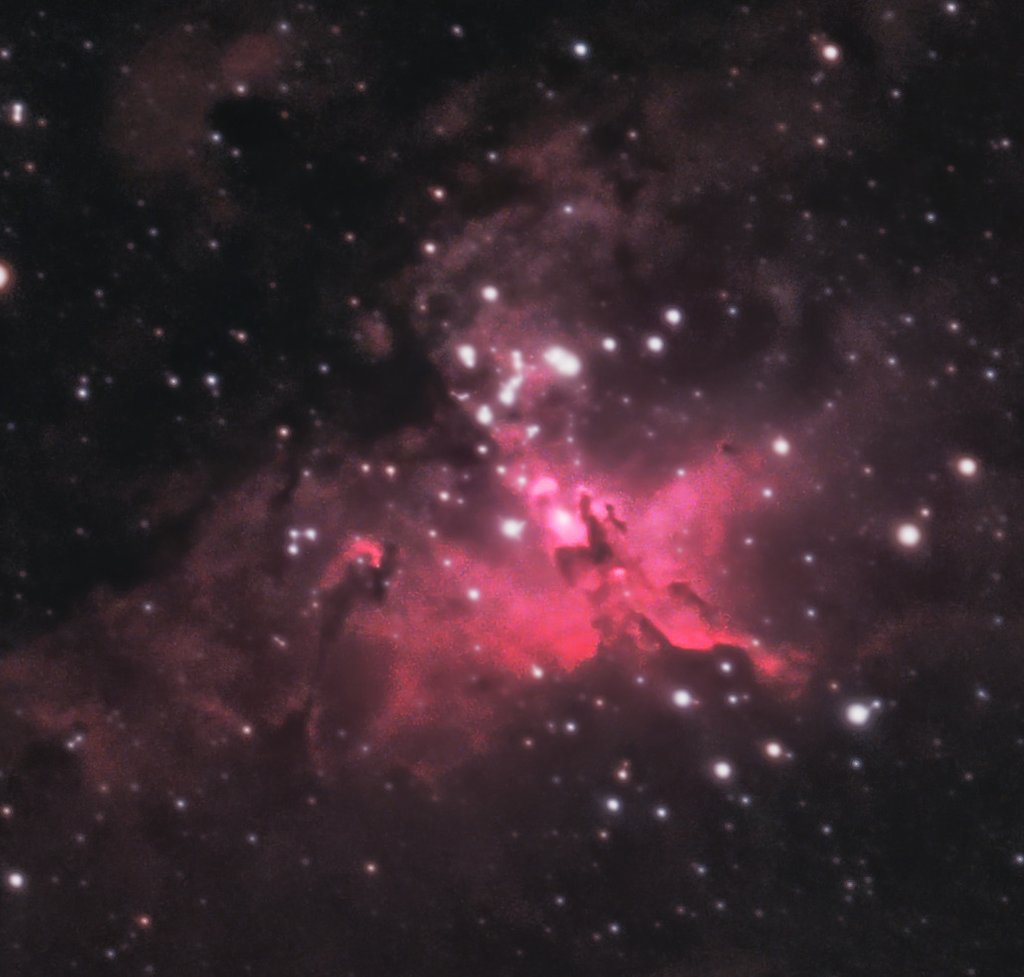

A bright nebula in Sagittarius. This image extends the following observation by another 4 hours.
A bright nebula in Sagittarius.
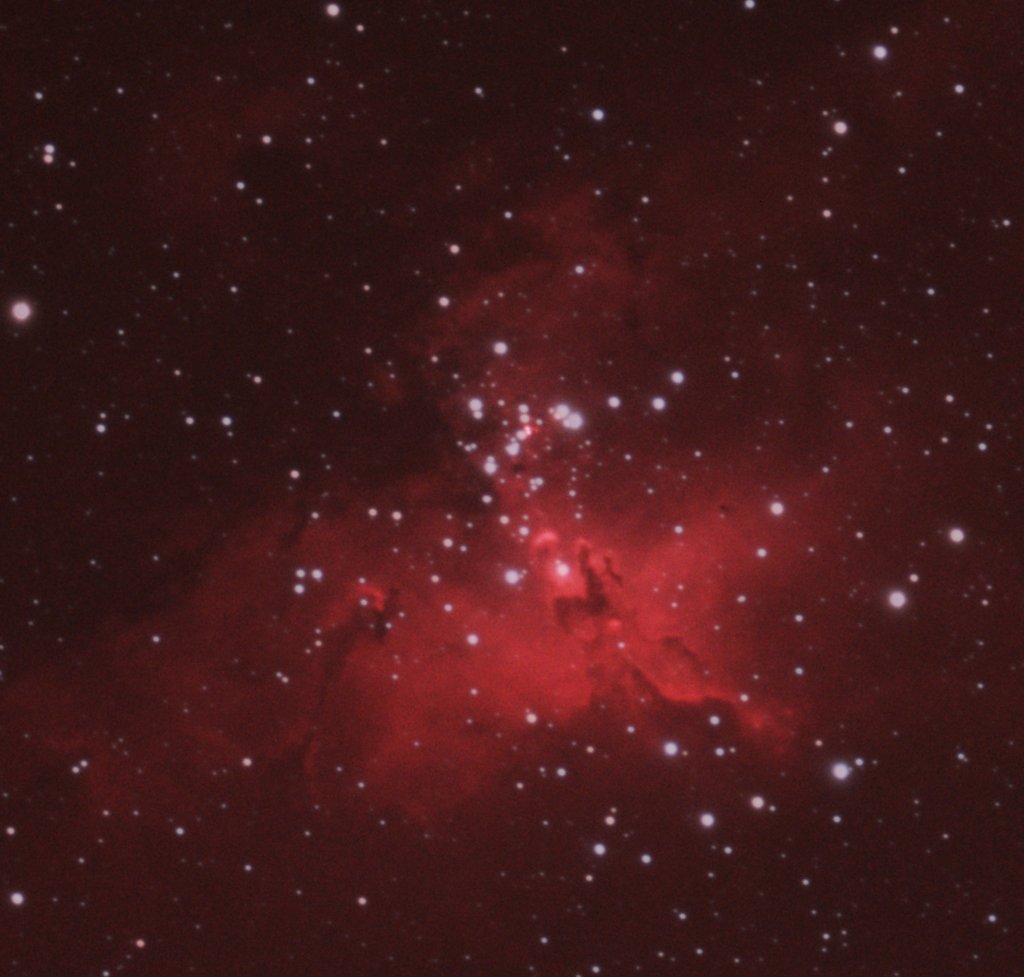

Eagle nebula M16 (NGC6611)
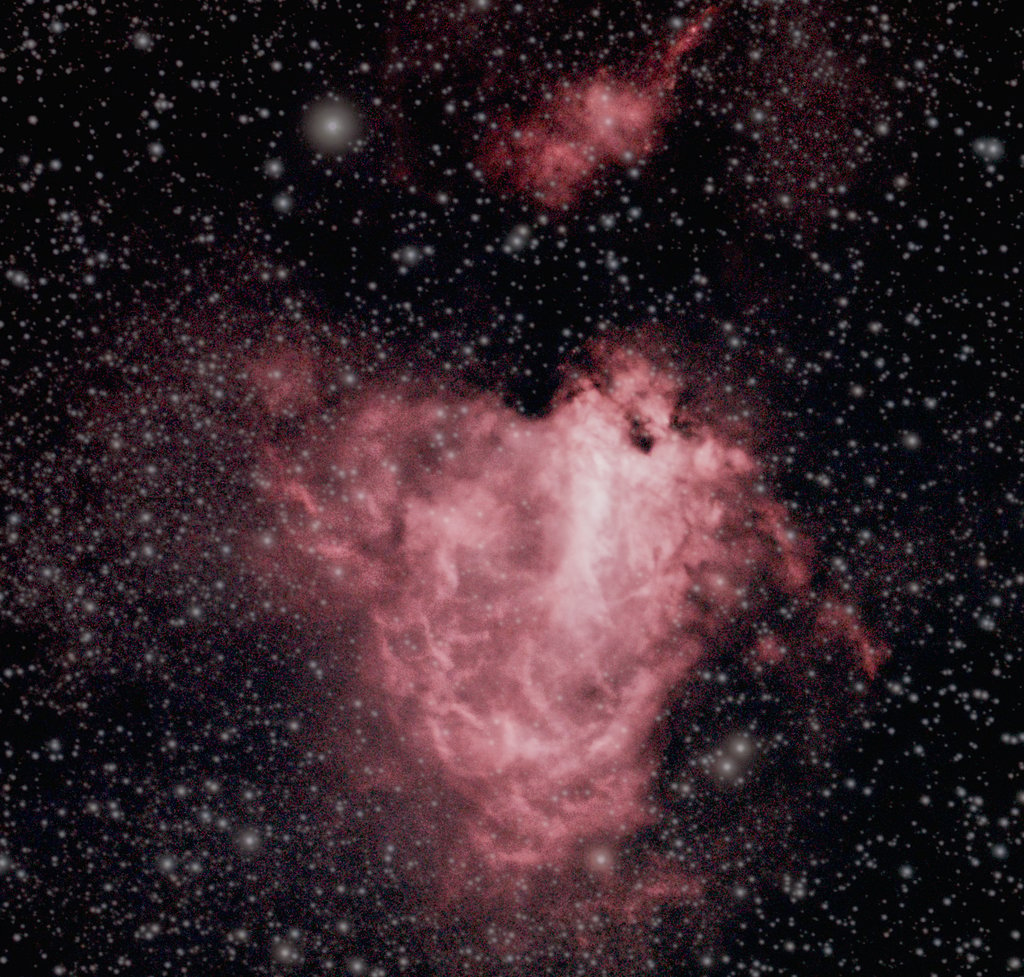

Omega nebula M17
A bright nebula in Sagittarius.
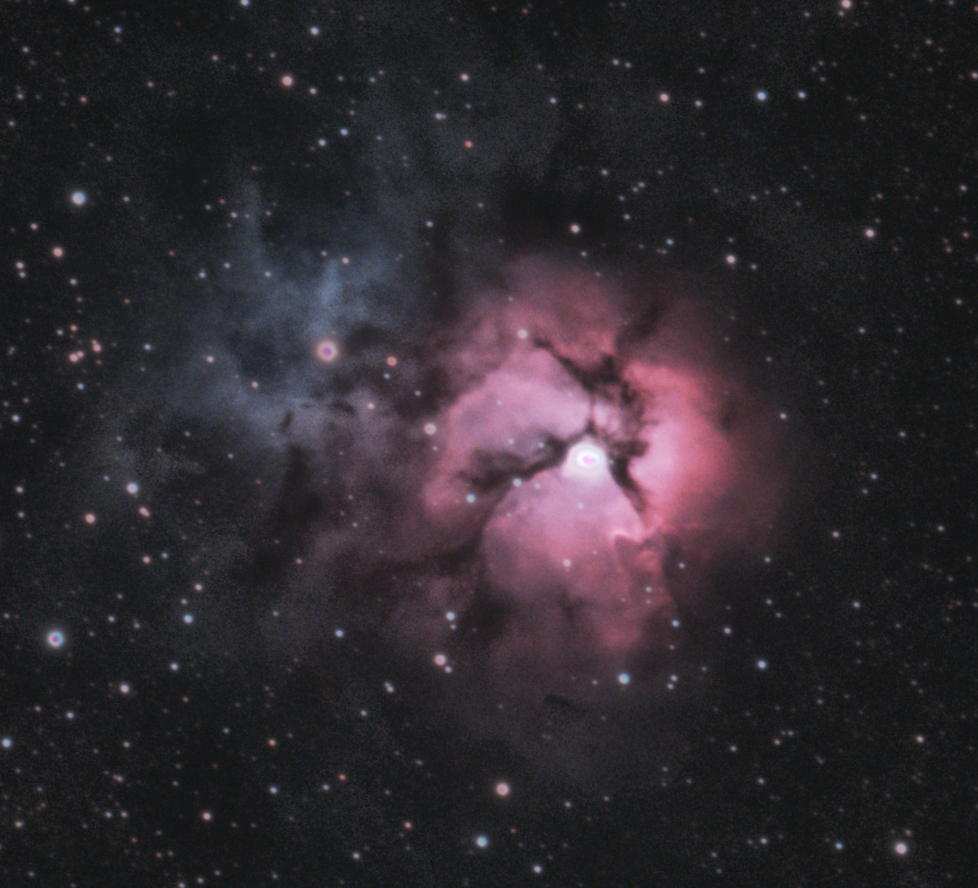

Triffid nebula M20 (NGC6514)
A bright nebula in Sagittarius.
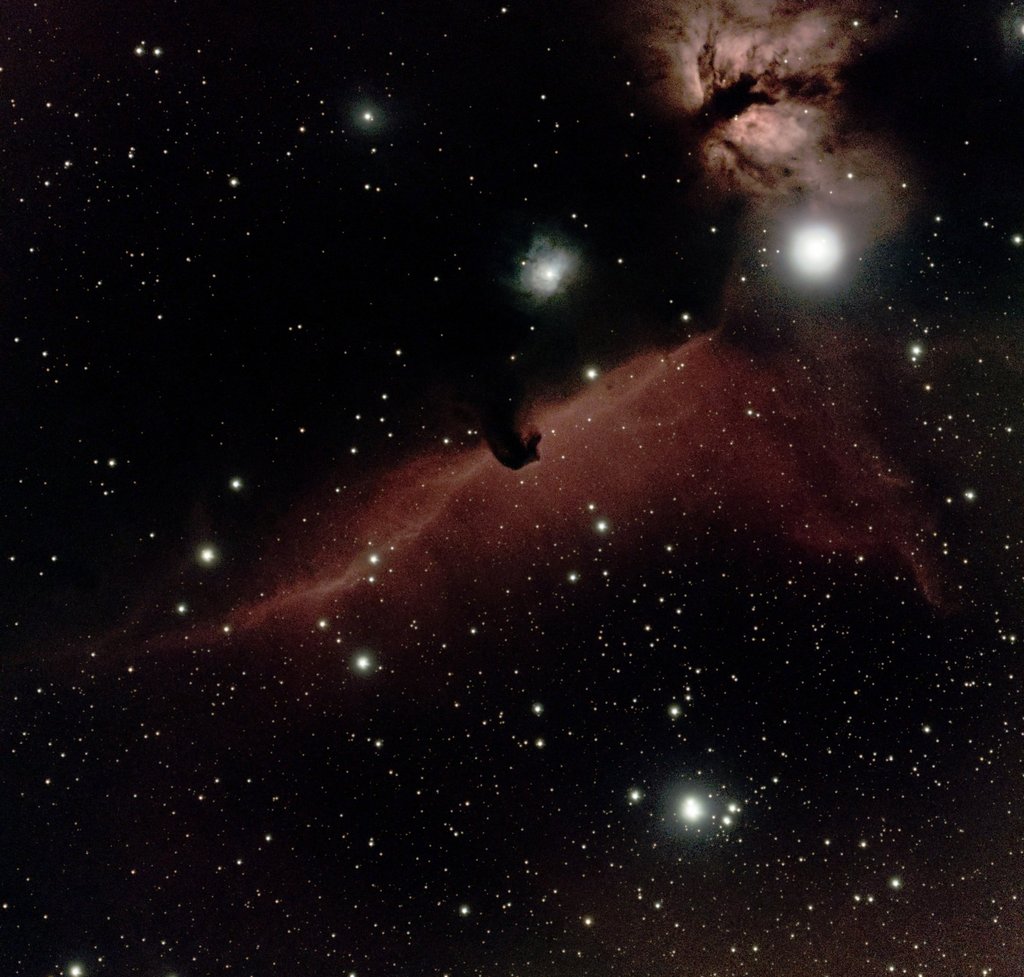

Horsehead nebula (IC434)
A dark nebula in Orion.
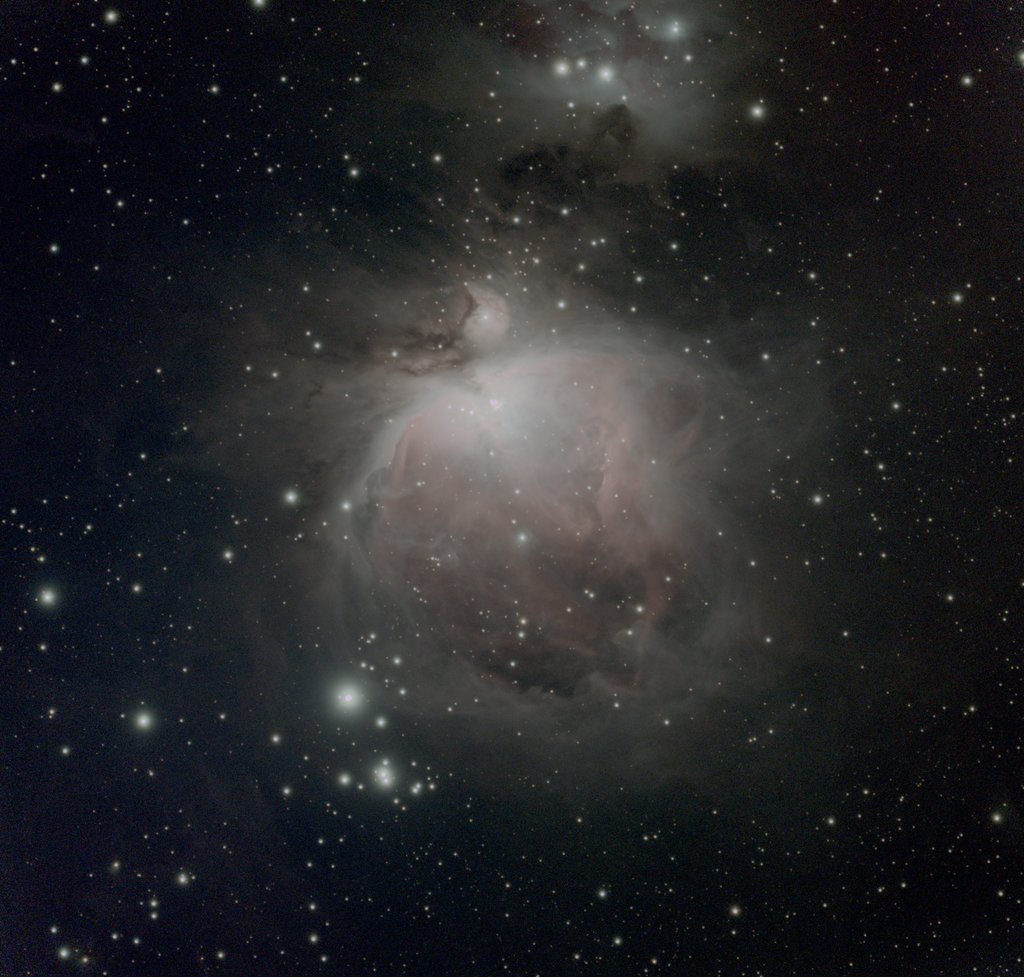

Orion nebula M42 (NGC1976)
A bright nebula in Orion.
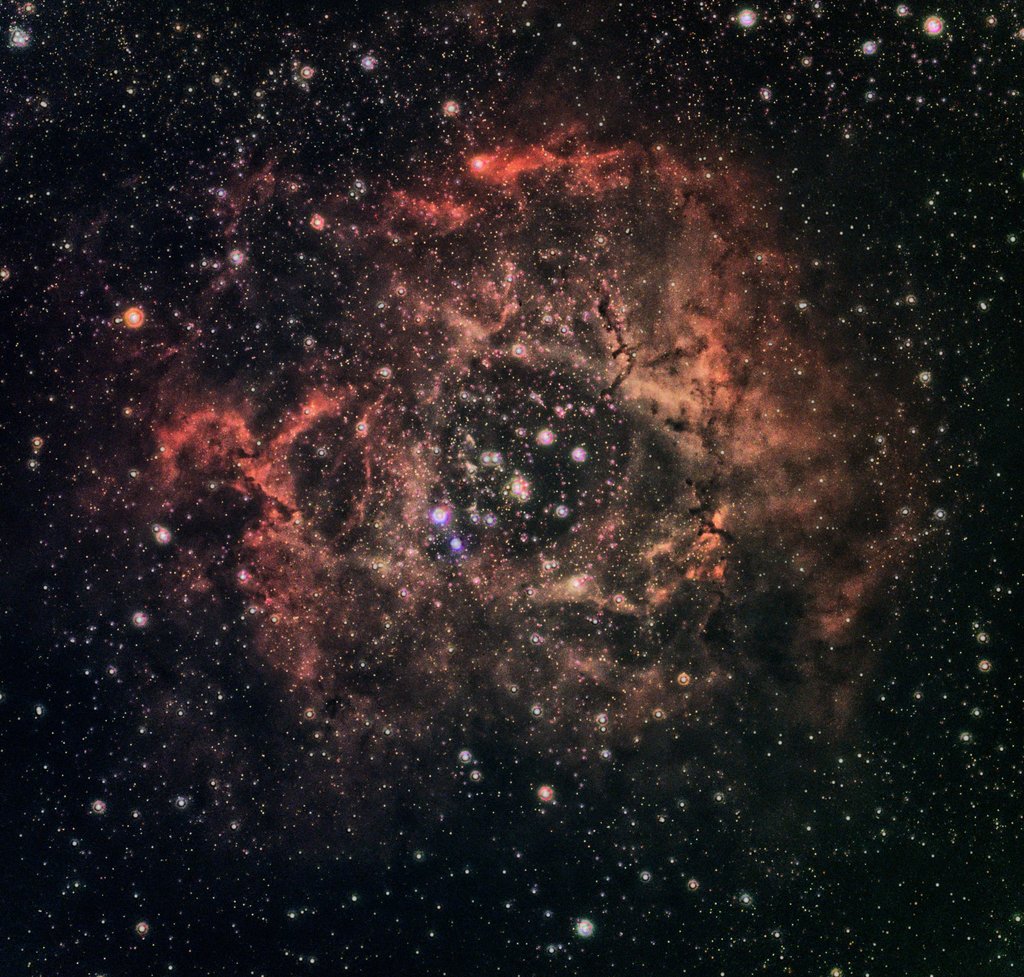

Rosette nebula (NGC2244)
A bright nebula in Monoceros.
Lagoon nebula M8 (NGC6523)
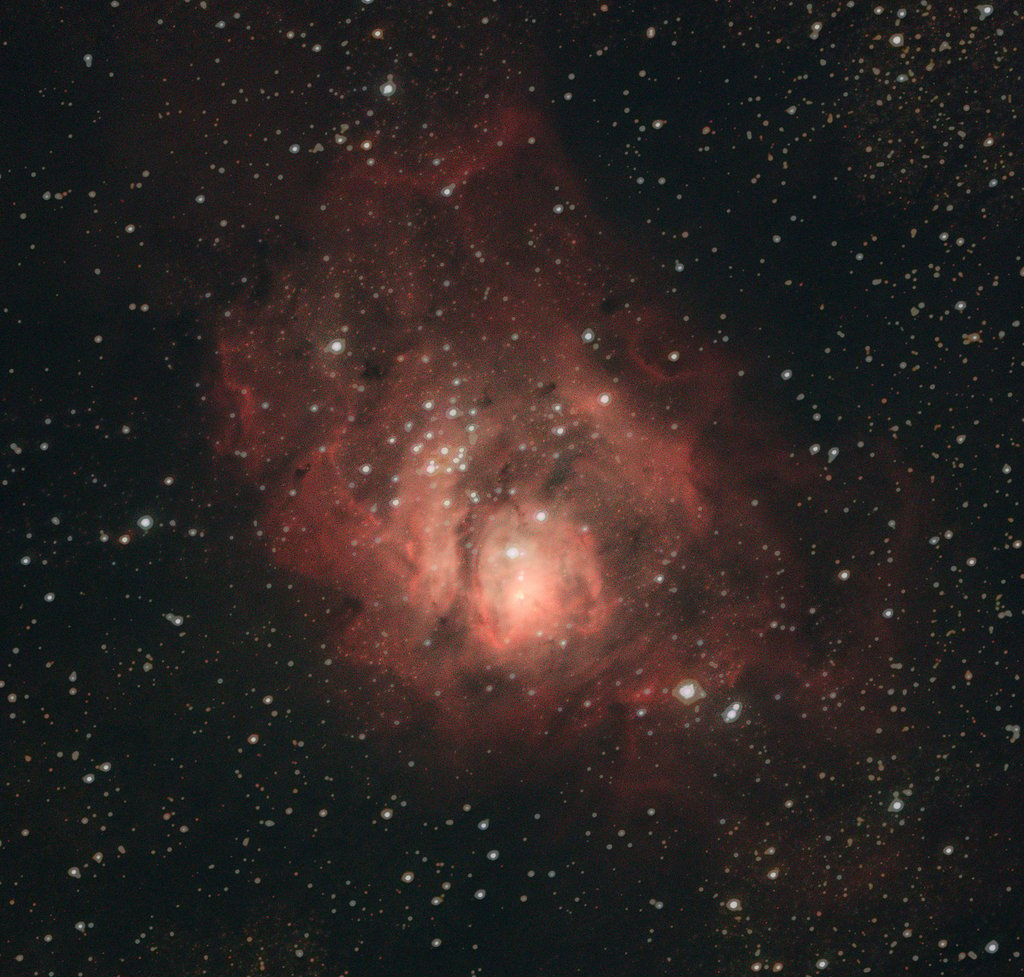

A bright nebula in Sagittarius. This one is from spring 2025.
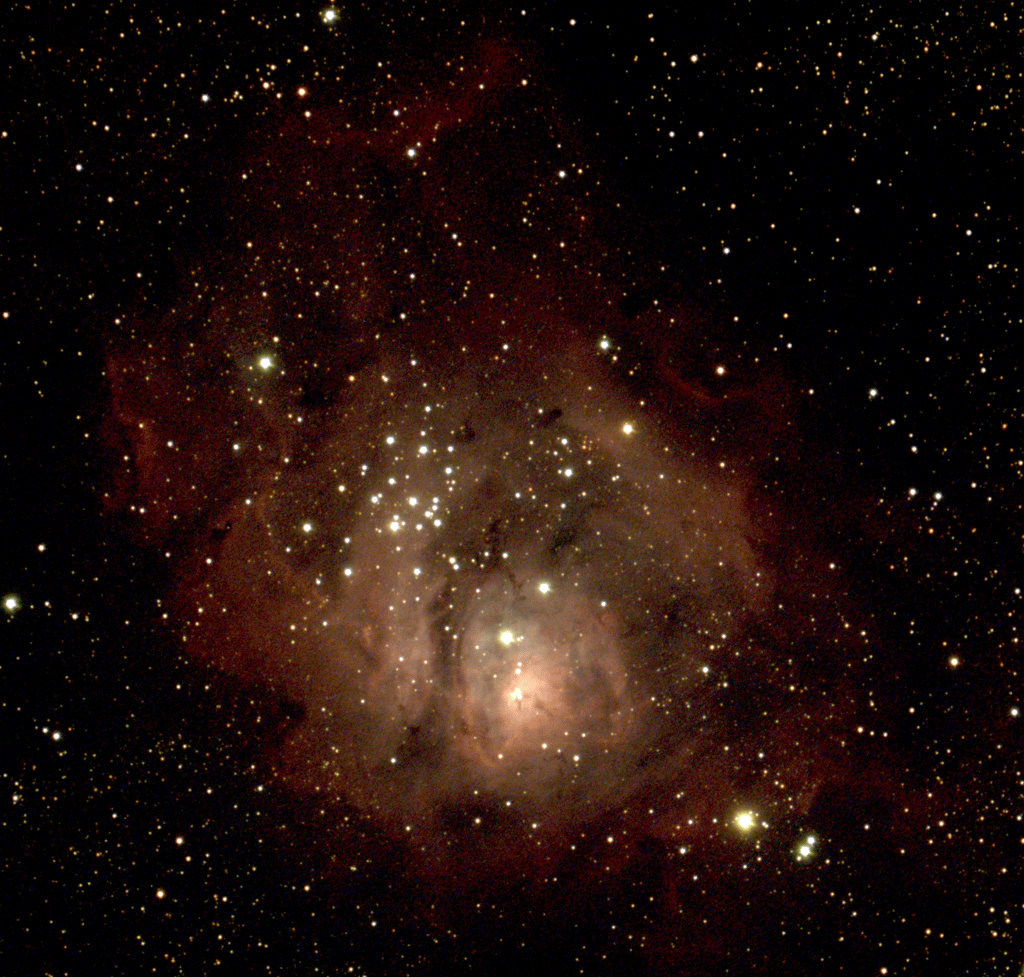
A bright nebula in Sagittarius. This one is from fall 2024.
Lagoon nebula M8 (NGC6523)

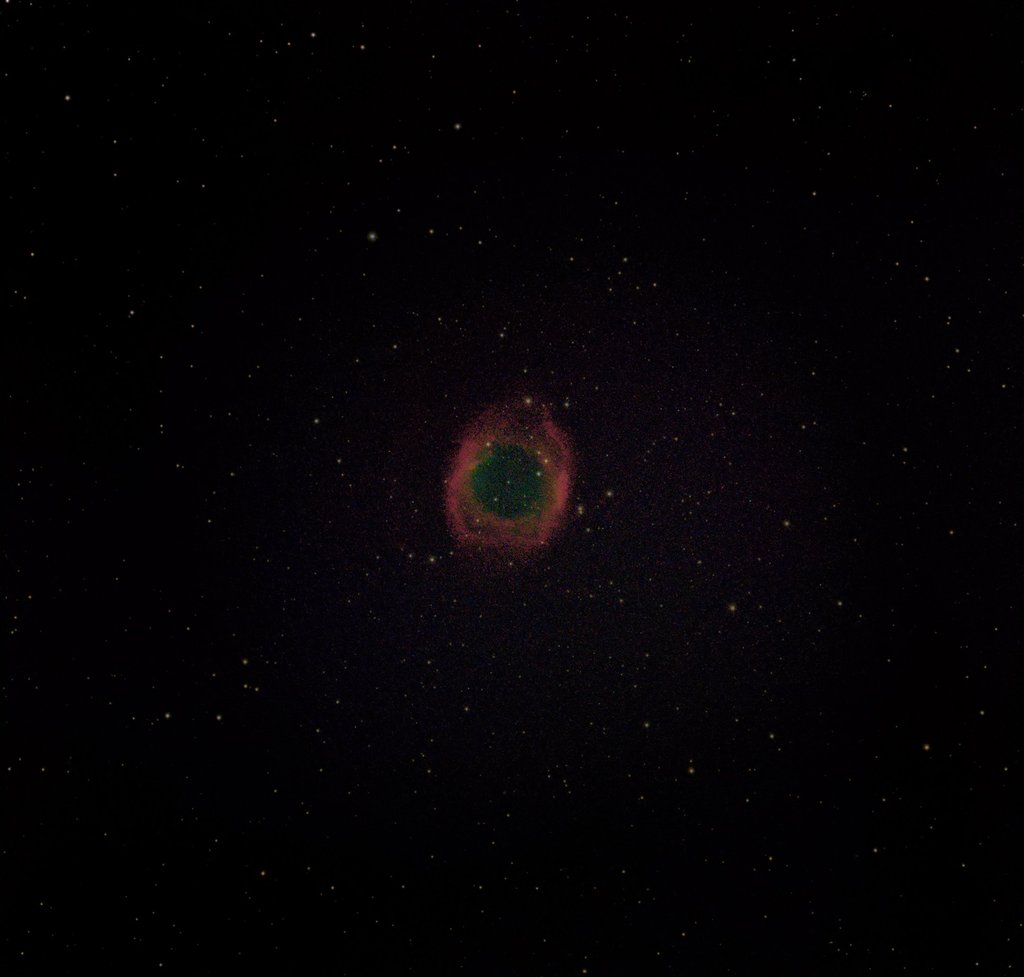
A planetary nebula in Aquarius.
Helix nebula (NGC7293)

A spiral galaxy in Andromeda. This one is only half of the anticipated observation frames because clouds moved in. It was a long mosaic observation.
Andromeda galaxy M31 (NGC224)

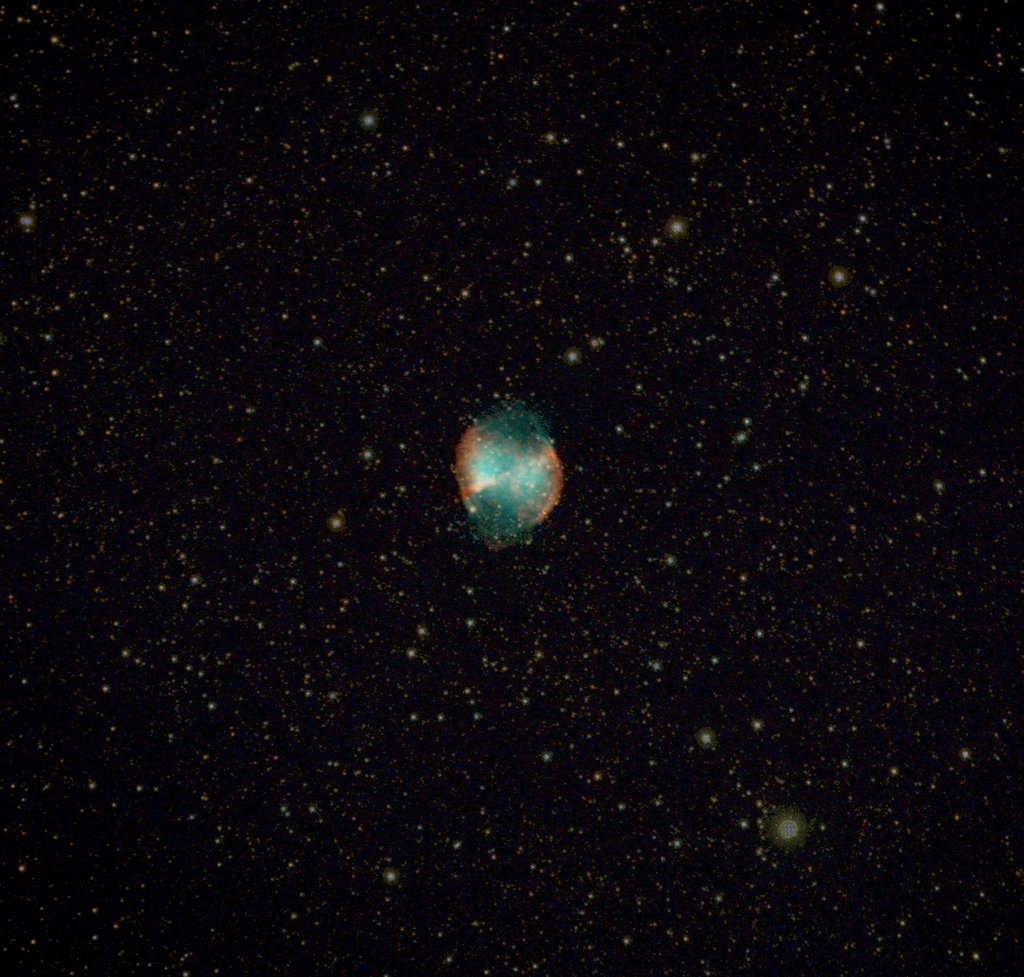
A planetary nebula in Vulpecula.
Dumbbell nebula M27 (NGC6853)

Visit
Palmetto Bay
Roatan
Honduras
Coconut Grove Cottage